

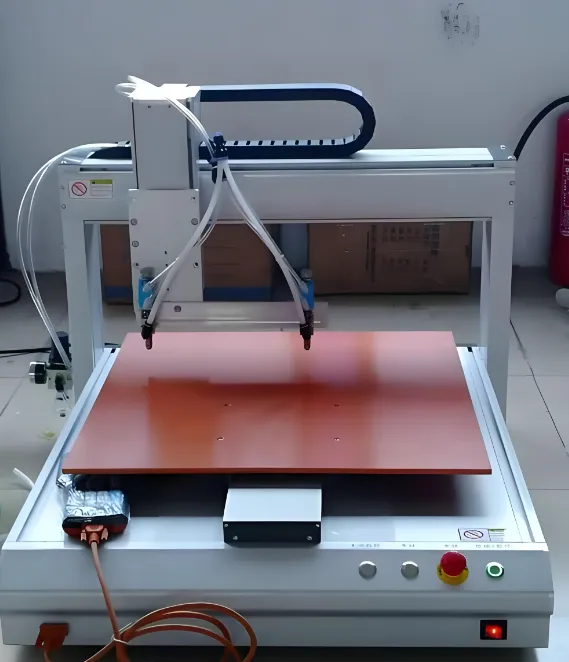
In modern manufacturing, dispensing technology is widely used in electronics assembly, optoelectronics, semiconductor packaging, and other fields—especially in the production of miniature components, where dispensers play a critical role.
However, low dispensing accuracy frequently plagues manufacturers, compromising product quality and production efficiency. This article explores the primary causes of low dispensing accuracy and proposes corresponding countermeasures.
1. Equipment-Related Issues
-
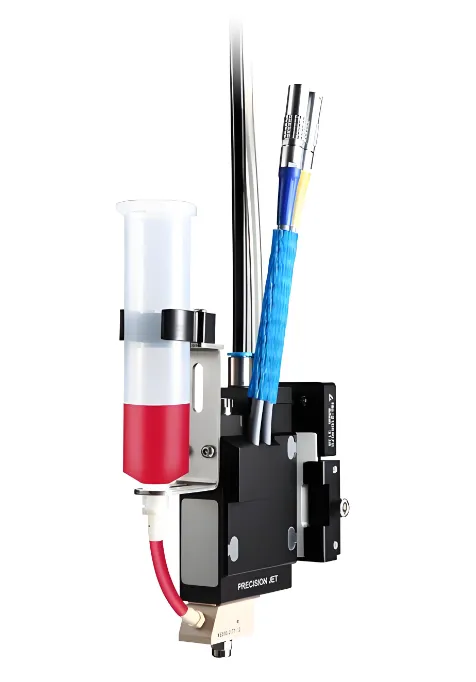
Aging or faulty equipment: Over time, dispensers may suffer from mechanical wear, clogged tubing, or damaged nozzles.
-
Insufficient equipment precision: Low-accuracy dispensing systems often lack the fine engineering required for high-precision applications. For manufacturers of micro-component dispensers, ensuring high equipment accuracy is fundamental to product quality.
Solutions:
-
Perform regular maintenance: Conduct routine inspections and servicing, replace worn parts promptly, and clean tubing and nozzles to keep equipment in good working condition.
-
Upgrade equipment: Choose high-precision, high-stability dispensing systems—especially for applications with tight accuracy requirements. Opt for automated dispensers with sophisticated control capabilities.
2. Adhesive Material Issues
-
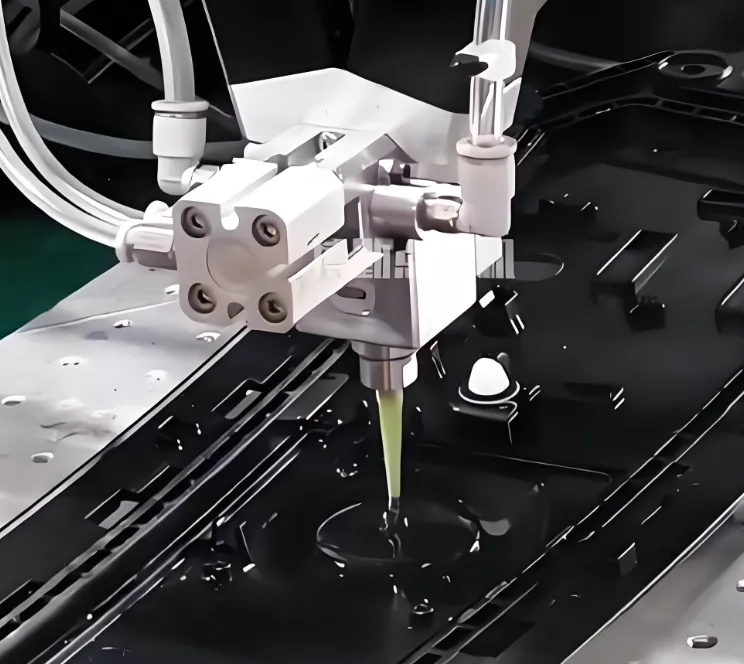
Adhesive properties: Viscosity, flow behavior, and curing time directly affect dispensing uniformity and stability.
-
Adhesive quality: Contaminants or air bubbles in the adhesive can impair dispensing accuracy.
Solutions:
-
Select the right adhesive: Choose an adhesive with appropriate viscosity and flow characteristics for the specific application.
-
Pre-treat the adhesive: Degas, filter, or otherwise condition the adhesive before use to prevent impurities from affecting dispensing performance.
3. Process Parameter Setting Issues
-
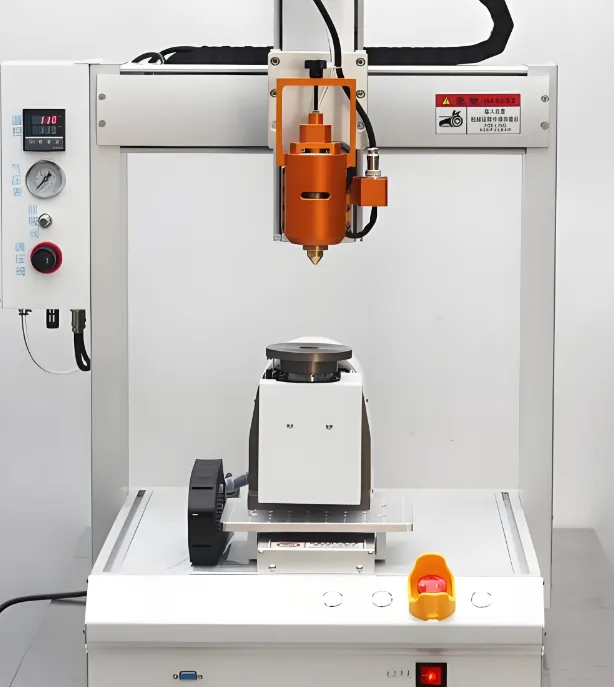
Dispensing pressure and speed: These parameters have a major impact on accuracy. Excessive or insufficient pressure, and overly fast or slow dispensing speeds, can lead to poor dispensing quality.
-
Nozzle-to-substrate distance: An improper standoff distance can cause uneven adhesive distribution or stringing/tailing, negatively affecting the final result.
Solutions:
-
Adjust pressure and speed: Optimize dispensing pressure and speed settings to avoid deviations that compromise quality.
-
Adjust nozzle position: Set the nozzle-to-substrate distance correctly to ensure uniform adhesive deposition.
Low dispensing accuracy is a critical factor that undermines product quality and production efficiency. By improving equipment maintenance, selecting suitable adhesives, and optimizing process parameters, manufacturers can significantly enhance dispensing accuracy.
Moreover, with ongoing advances in automation and intelligent control technologies, the precision and stability of dispensing processes will continue to improve, providing even stronger support for precision manufacturing across industries.
Associated Products
You may also be interested in the following products:
Inline Jet Dispensing Machine
CNC Glue Dispenser Machine
Silicone Dispenser Machine
SMT Glue Dispenser Machine
3-Axis Automated Glue Dispensing Machine
Automatic 3-Axis Hot Melt Glue Dispenser Machine
3 Axis AB Glue Dispenser Machine
Automatic Desktop 3 Axis UV Glue Dispenser
Benchtop 3 Axis Dispensing Robot
4 Axis 2 Part Epoxy Dispensing Equipment
Four Axis Industrial Glue Dispenser
4 Axis Benchtop Dispensing Robot
Five Axis Desktop Robotic Glue Dispenser
Desktop 5 Axis Glue Dispensing Robot
5-Axis Auto Glue Dispenser
5 Gallon Adhesive Supply Pump
High Speed Automatic Glue Dispensing Machine
3 Axis Automated Glue Dispenser
CCD Visual Glue Dispensing Machine