

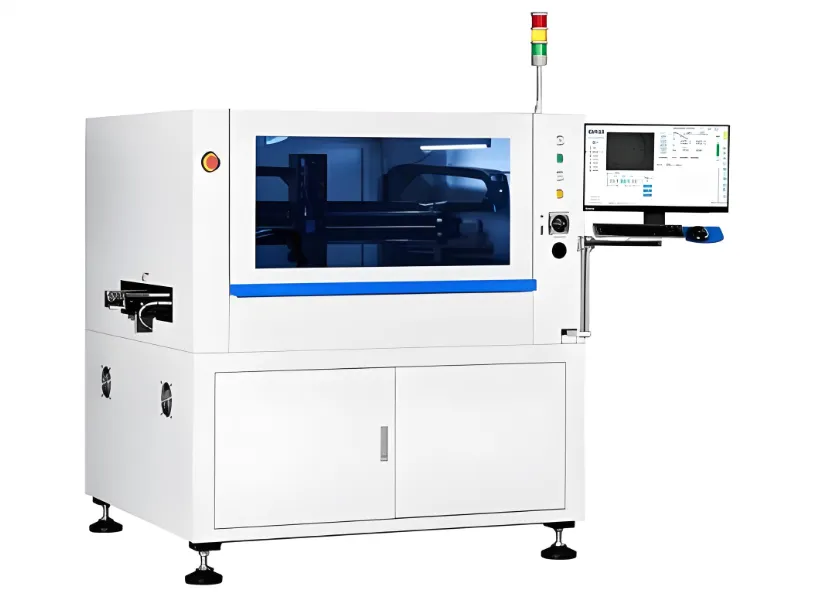
Common Faults and Solutions of Automatic Dispensing Machine
Learn about common automatic dispensing machine problems, including reduced accuracy, glue clogging, startup failures, and glue leakage. This article explains the causes and practical solutions to help operators maintain equipment performance and improve production efficiency.
Read More
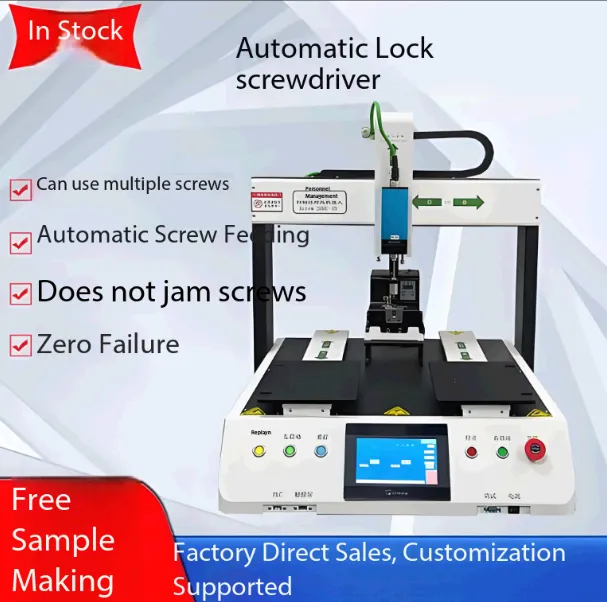
Which Automatic Screw Driving Machine Brand Is Actually Reliable?
Picking a reliable automatic screw driving machine brand is like choosing a mechanic—everyone claims to be the best, but only a few actually fix your car without breaking something else. The market is flooded with hundreds of Chinese workshops and a handful of overpriced German/Japanese legends. After digging through endless copy‑paste “Top 10” lists, the truth is this: there is no universal “best” brand. It all comes down to your specific screws, your budget, and—most importantly—whether the supplier will answer your panicked phone call at 2 AM when the machine jams. Imported brands (WEBER, DEPRAG) offer bulletproof precision but cost a small fortune and require gold‑plated service contracts. Domestic players (XinHua, SuDizhi, HuaRuiKe, etc.) give you 85% of the performance for half the price, but quality varies wildly—some are genuine gems, others are glorified paperweights. The smart move? Ignore the brand hype, test samples on your actual parts, check their local service network, and demand real customer references. And for heaven’s sake, don’t just pick the first name that pops up on Baidu—that’s how procurement nightmares begin.
Read More
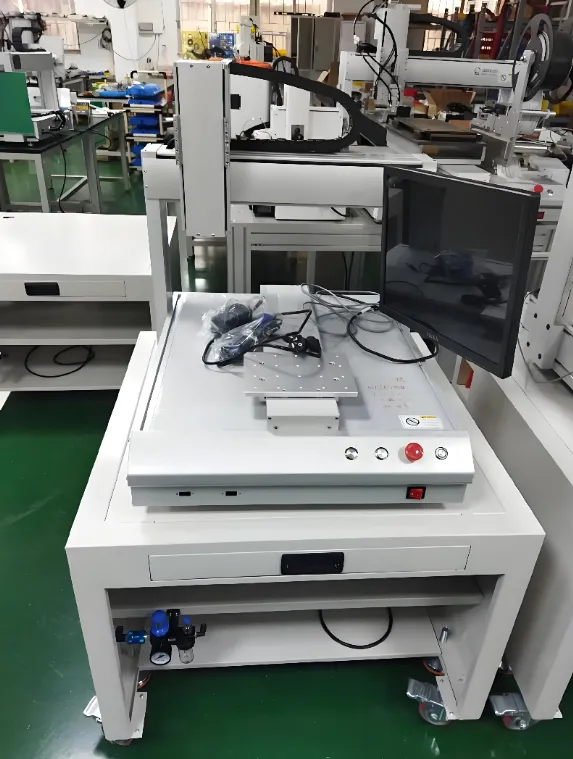
RJ500N Contact Dispensing System
RJ500N Contact 5-Axis Linkage Dispensing System is applicable to processes such as dispensing on pole screens and inner walls of round holes.
Equipped with a 5-axis linkage control system and a high-performance motion control unit, it supports various standard curve interpolations, arbitrary axis linear interpolation, spatial circular interpolation, spatial spiral interpolation, spatial elliptical interpolation, spatial involute interpolation, spatial conical and spiral interpolation, spatial spline curve interpolation, and more. It can be used for sealing and reinforcing circular and special-shaped products. Compatible with multiple types of glues, it boasts strong process adaptability and features high precision, high speed and accurate dispensing.
Read More
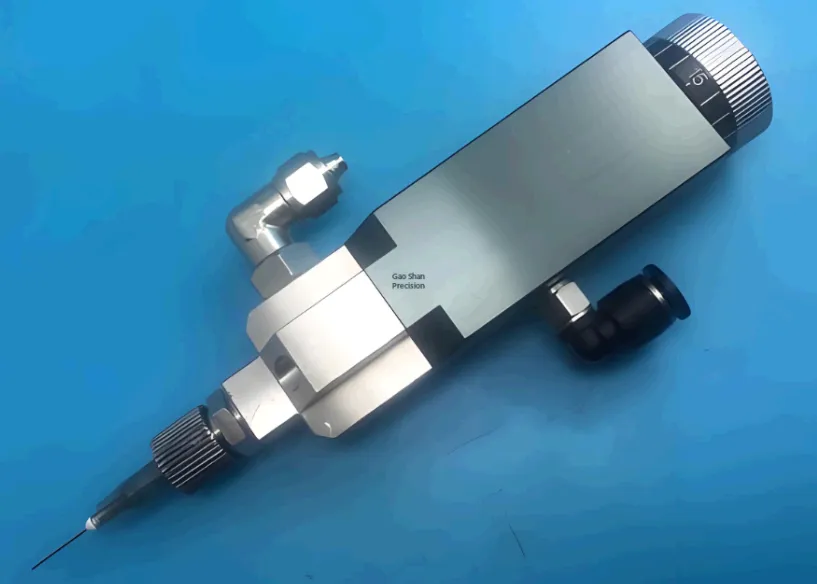
Types of Dispensing Valves and Their Application Fields
Dispensing valves are the core components of automated dispensing systems, controlling the flow and application of adhesives in industrial manufacturing. They come in several types—needle, valve‑style, screw, and extrusion—each designed to handle different adhesive viscosities, precision requirements, and production speeds. Their selection is critical to achieving consistent, high‑quality dispensing results across diverse industries.
Read More
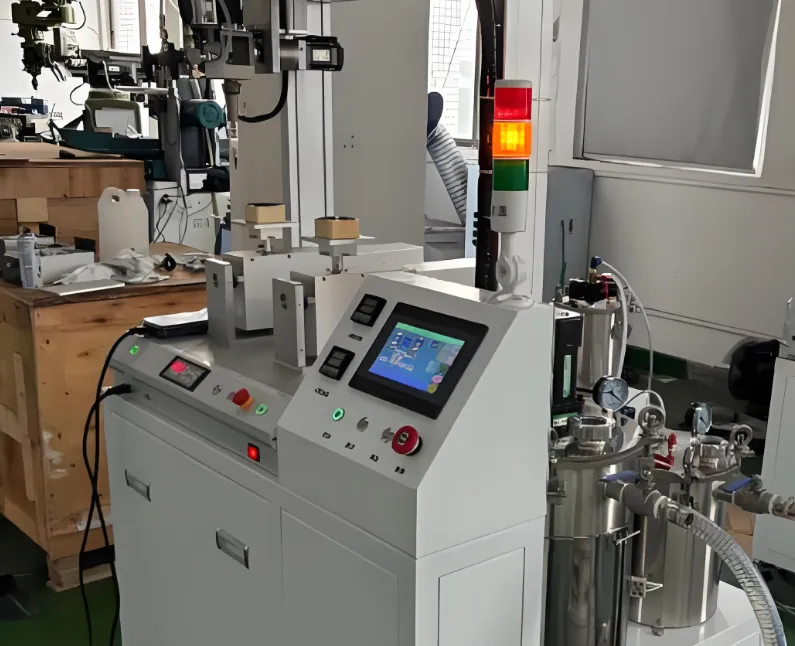
AB Adhesive Dispensing Machines: Efficient and Precise Solutions for Diverse Applications
The AB adhesive dispensing machine is an automated system engineered for precision mixing and application of two‑component adhesives. It ensures accurate ratio control and consistent deposit placement, making it an essential tool for high‑reliability industries such as electronics, automotive, and medical device manufacturing.
Read More
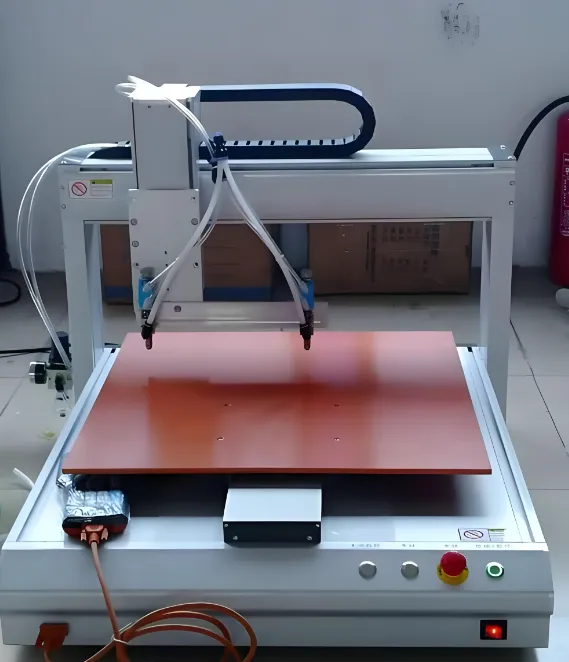
Causes and Solutions for Low Dispensing Accuracy
This article examines the common problem of low dispensing accuracy in manufacturing, particularly in electronics, optoelectronics, and semiconductor packaging. It identifies three main categories of causes—equipment issues, adhesive material problems, and improper process parameters—and offers practical solutions for each.
Read More
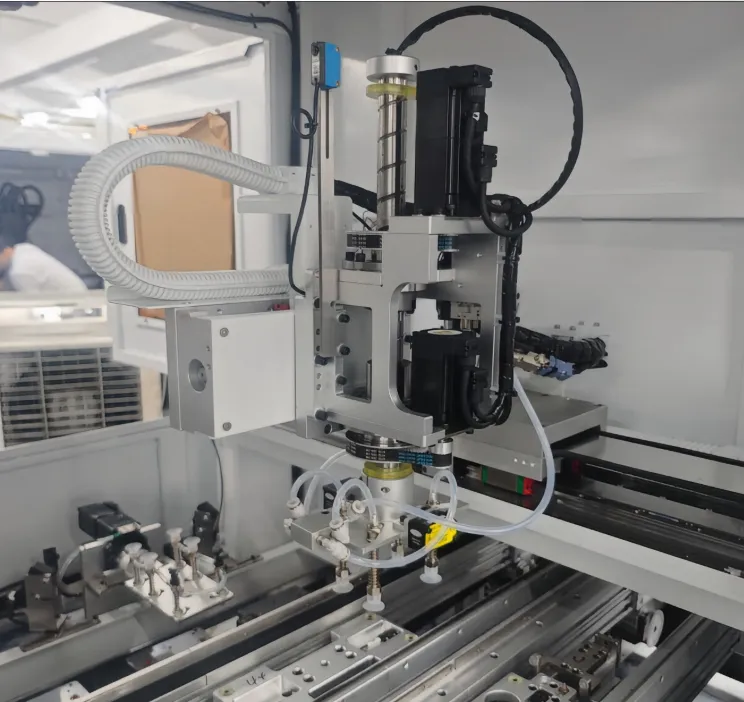
Semiconductor Dispensing Applications
Semiconductor dispensing is the precise application of adhesives, encapsulants, and underfill materials during chip assembly and packaging. It plays a critical role in ensuring mechanical attachment, environmental protection, and thermal/electrical reliability of semiconductor devices.
Read More
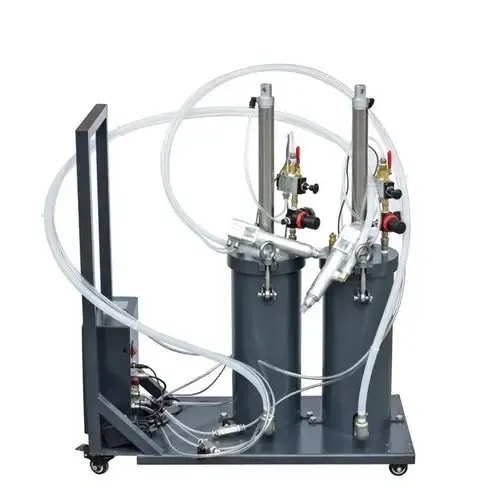
Advantages of Non‑Contact Automatic Dispensers
A non‑contact automatic dispenser is a precision fluid‑deposition system that operates without touching the workpiece. Using piezoelectric or pneumatic jetting technology, it accurately controls droplet volume and placement, delivering high‑speed, contamination‑free dispensing suitable for delicate or complex surfaces.
Read More
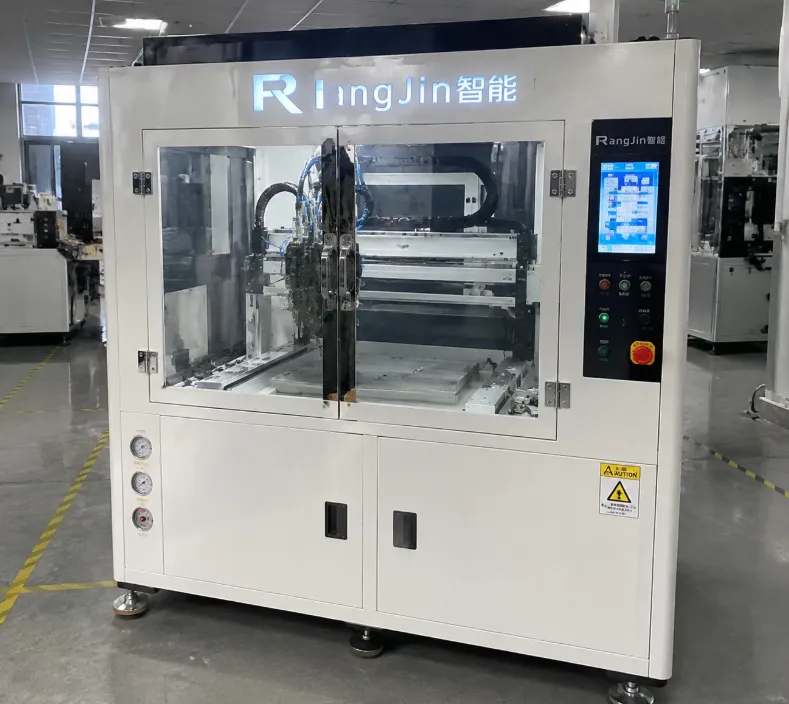
RangJin Intelligent Guide: How to Choose Conformal Coating Equipment
This article explains how to choose conformal coating equipment for industrial manufacturing. It highlights key selection factors such as coating material properties, product size and shape, production efficiency, and automation level. It also provides practical guidance on evaluating equipment performance, cost, and supplier services to help manufacturers make the right decision.
Read More
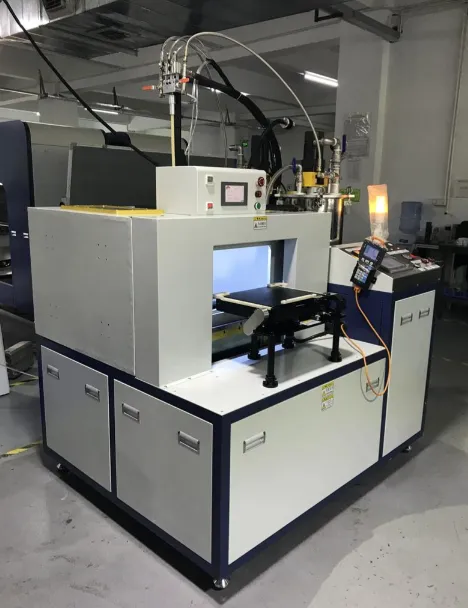
Application of Thermal Conductive Adhesive Dispensing in Electronics Manufacturing
Material and Process Fundamentals
Thermal conductive adhesive is a polymer composite filled with thermally conductive particles, combining good thermal conductivity with electrical insulation and strong adhesion. The dispensing process deposits a controlled volume of the adhesive along programmed paths at defined speeds and pressures, using automated equipment to achieve consistent coverage and bond‑line thickness. Key process parameters – such as fluid rheology, dot geometry, and layer uniformity – are tightly regulated to maximise thermal transfer efficiency.
Read More
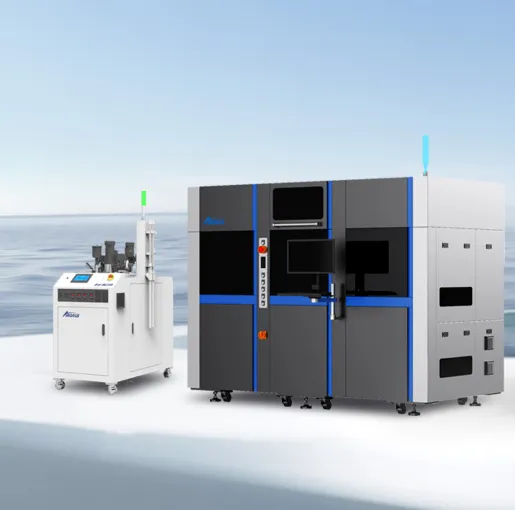
RangJin Intelligent Potting Machines: Precision Fluid Control Driving Smart Manufacturing Upgrades
RangJin Intelligent delivers high‑performance potting machines designed for precision dispensing of two‑component adhesives in electronic encapsulation, component protection, and structural bonding. Our systems integrate vacuum preparation, servo‑driven metering, and static/dynamic mixing to ensure bubble‑free, accurate, and repeatable application. The product range covers benchtop units, inline atmospheric systems, and inline vacuum chambers—catering to industries such as automotive electronics, consumer electronics, semiconductors, power modules, and medical devices. All models feature PLC/PC control, MES connectivity, automatic cleaning, and flexible pump configurations (gear, screw, or piston). With optional tank sizes, heating, and level monitoring, RangJin machines adapt to both high‑filler and standard materials, delivering consistent quality and reduced downtime.
Read More
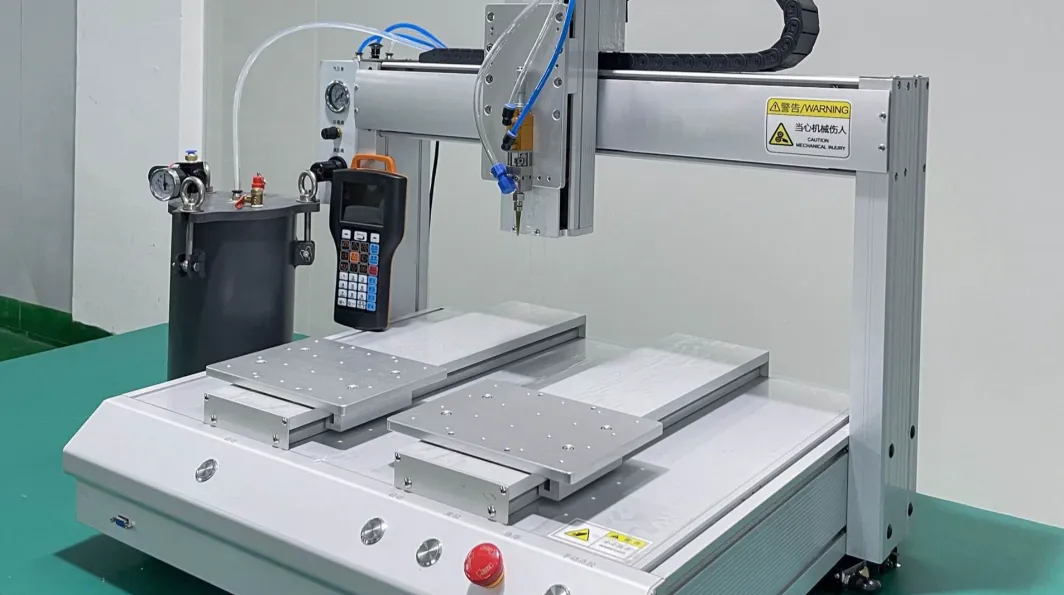
Complete Guide to Automatic Glue Dispensing Systems
This comprehensive guide offers an in-depth exploration of automatic glue dispensing systems, which are essential for achieving precision, consistency, and efficiency in modern manufacturing. It breaks down the core components—valves, reservoirs, motion platforms, and controllers—and compares the major dispensing technologies, including time‑pressure, auger screw, jetting, and piezoelectric valves. The article highlights the quantifiable advantages over manual methods, such as reduced cycle times, material savings, and improved traceability, while showcasing real‑world applications across automotive, medical, consumer electronics, aerospace, and general industrial sectors. It also provides practical guidance on system selection based on fluid properties and production needs, along with essential maintenance and troubleshooting tips. Concluding with a forward‑looking perspective on Industry 4.0 integration, this guide serves as a foundational resource for engineers, production managers, and decision‑makers seeking to implement or upgrade adhesive dispensing processes.
Read More
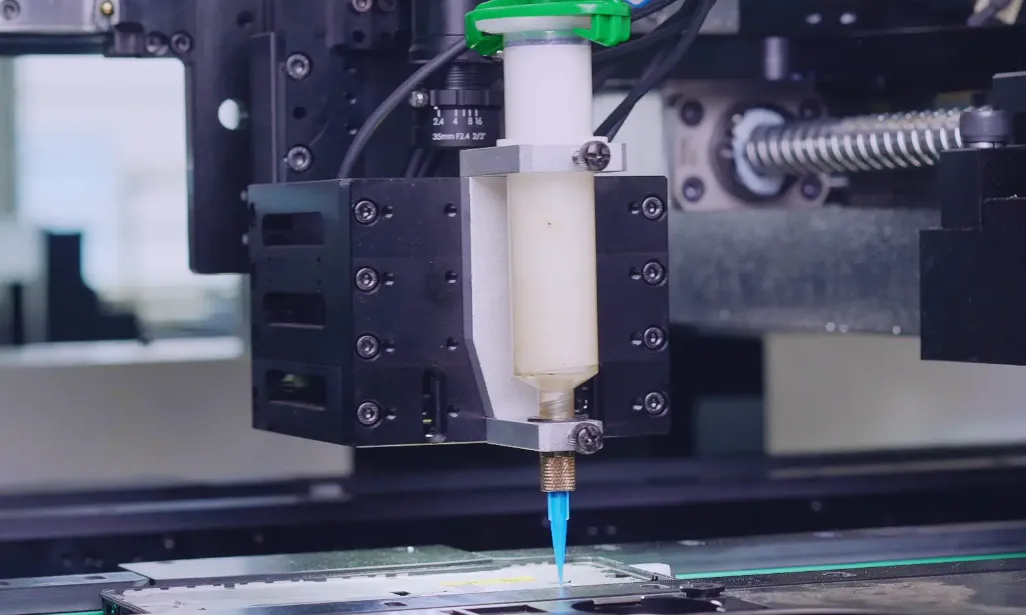
Rangjin Vision Dispensing Machine: Glue Supply Principle and Equipment Features
Learn how a vision dispensing machine works, including its glue supply system, gear pump and screw pump configurations, dispensing valve technology, and key advantages. Discover how Rangjin vision-guided dispensing solutions improve accuracy, efficiency, and automation for modern manufacturing.
Read More
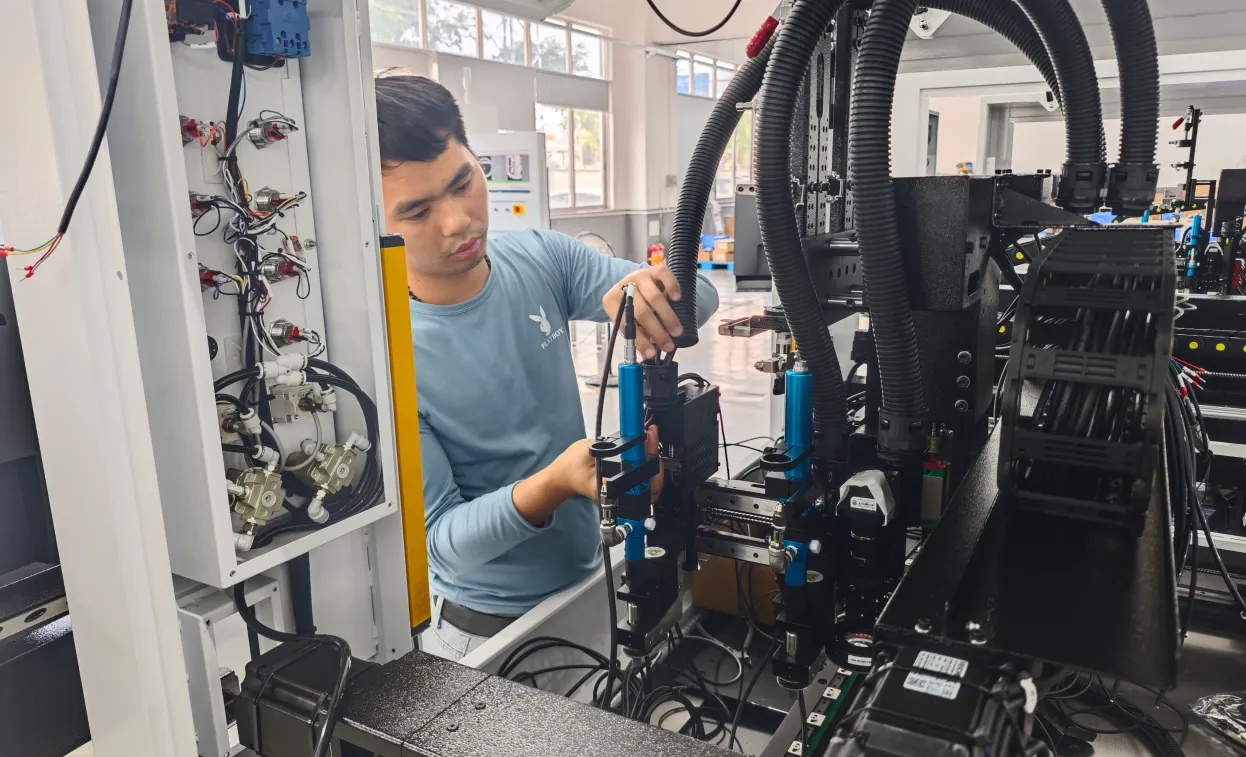
How to Prevent Glue Overflow in Electronic Assembly
20-year dispensing engineer shares five battle-tested ways to stop glue overflow on PCBs: surface energy, needle standoff, break-off delay, temperature control, and needle wiping. No theory – just fixes that work on the shop floor.
Read More
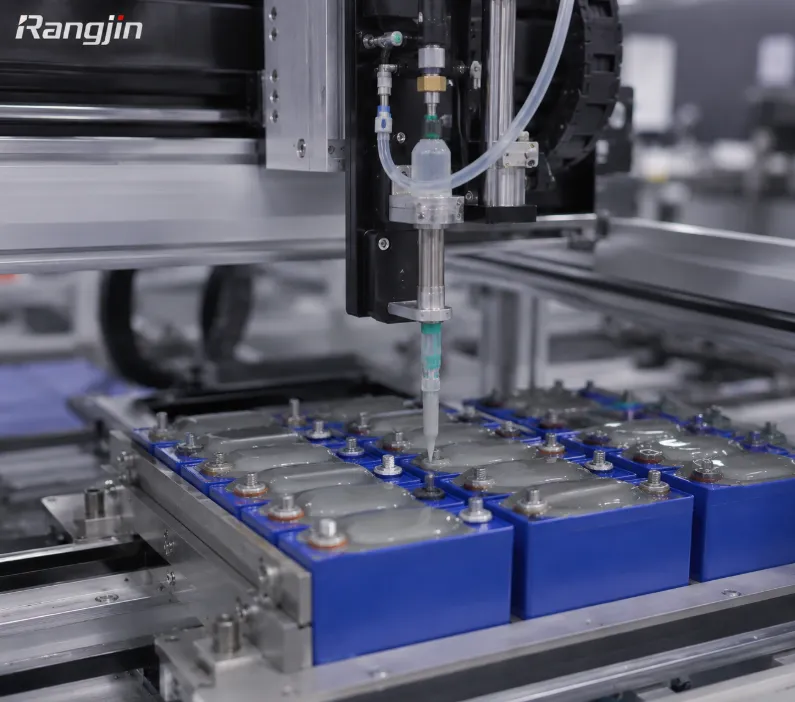
What Is the Difference Between 2K and 1K Potting Machines?
20-year potting machine engineer explains the real difference between 1K and 2K systems. Don’t buy the wrong one – it’ll burn your budget and your line. Read this first.
Read More
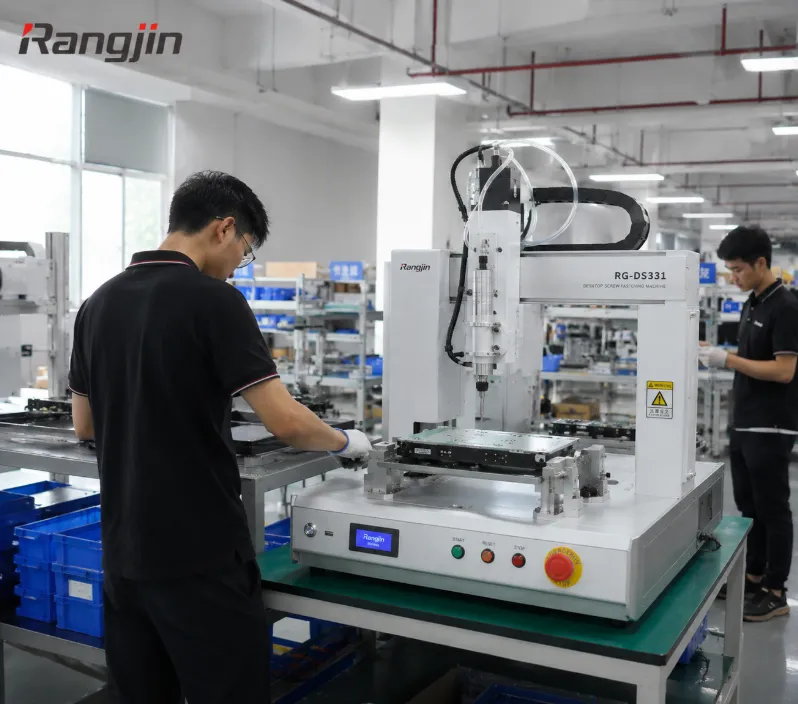
Desktop vs Inline Screw Fastening Machine: Which One Is Right for Your Production Line?
Desktop vs Inline Screw Fastening Machine: Learn the key differences, advantages, applications, and how Rangjin automatic screw fastening solutions help manufacturers improve efficiency, quality, and production reliability.
Read More
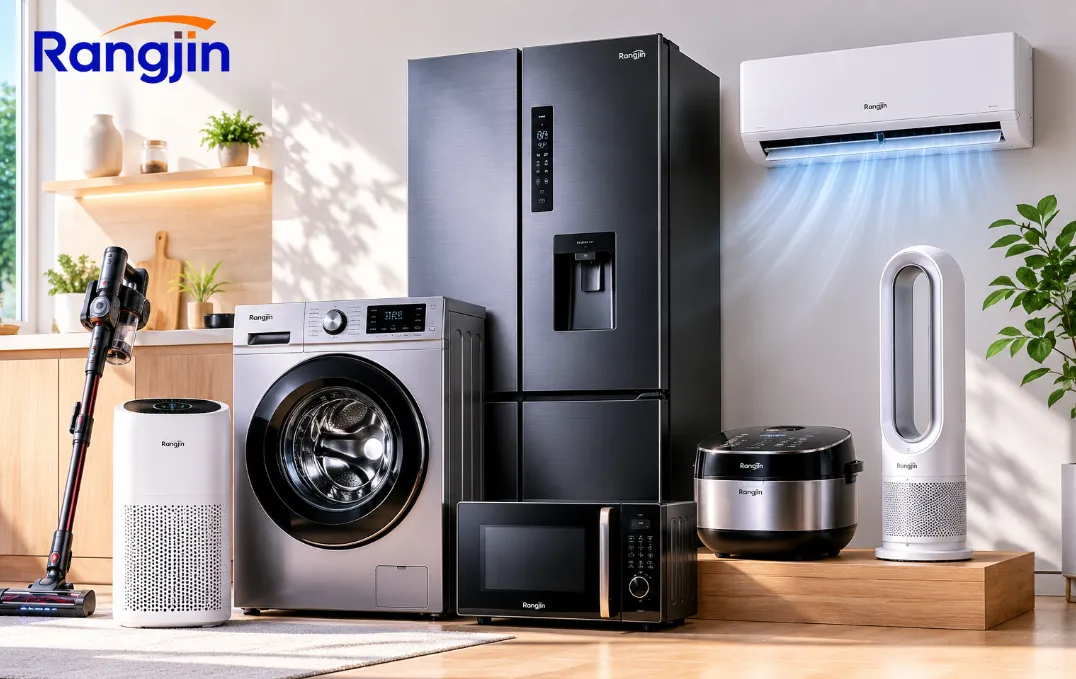
Rangjin Continues Delivering Fully Automated Potting Lines for a Leading Home Appliance Company
Rangjin has continuously delivered fully automated potting lines and multiple potting machines to a leading home appliance company in India, helping support the automated encapsulation of control boards used in washing machines, refrigerators, air conditioners, and other appliances. By integrating intelligent vision inspection, precise metering, dynamic mixing, and efficient curing, the solution improves moisture resistance, vibration resistance, insulation, and overall reliability, driving home appliance manufacturing toward greater automation and higher quality.
Read More

Rangjin Leads the Future of Automated Vacuum Potting Lines, Empowering Smarter Manufacturing in the Home Appliance Industry
Discover how Rangjin successfully developed a fully automated vacuum potting line for motor stators, helping a leading home appliance manufacturer improve production efficiency, potting quality, and manufacturing reliability. Featuring innovative multi-head vacuum dispensing technology, full-process material heating, and advanced automation, this solution delivers superior performance for appliance, EV, and industrial motor applications.
Read More
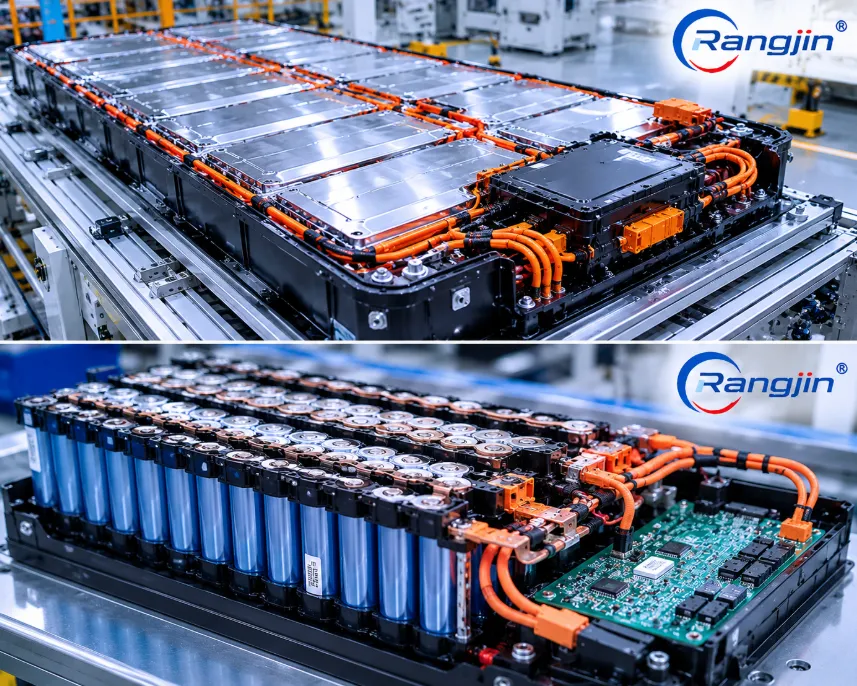
How to Choose Potting Compound for Automotive Controllers?
Learn how to choose the right potting compound for automotive controllers. UL94 V-0 flame retardancy, excellent electrical insulation, low shrinkage, and superior flowability for reliable long-term protection.
Read More
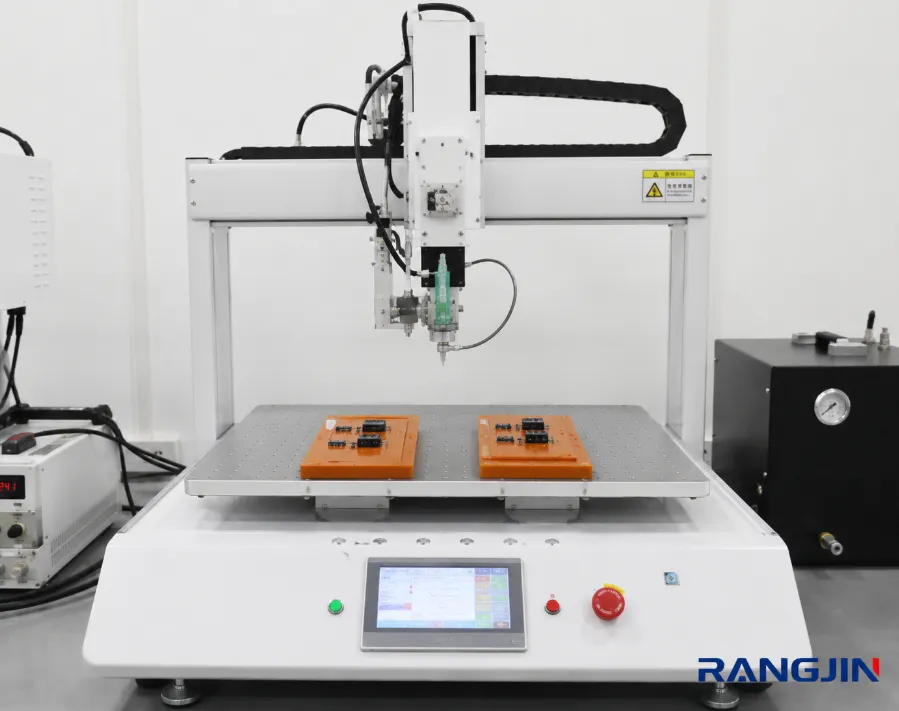
RANGJIN Glue Dispenser Machine vs. Other Brands: Which One Delivers the Best Value?
Discover how RANGJIN Glue Dispenser Machines compare with leading brands like Nordson, MUSASHI, and IEI. Learn why RANGJIN offers better cost performance, reliable dispensing accuracy, flexible customization, and professional support for modern manufacturing automation.
Read More
Get Your Custom Automation Solution Today
Fill out the form below to request a quote or consultation. Our team will help you find the perfect glue dispensing, potting, screw fastening, or soldering automation solution for your production needs.